






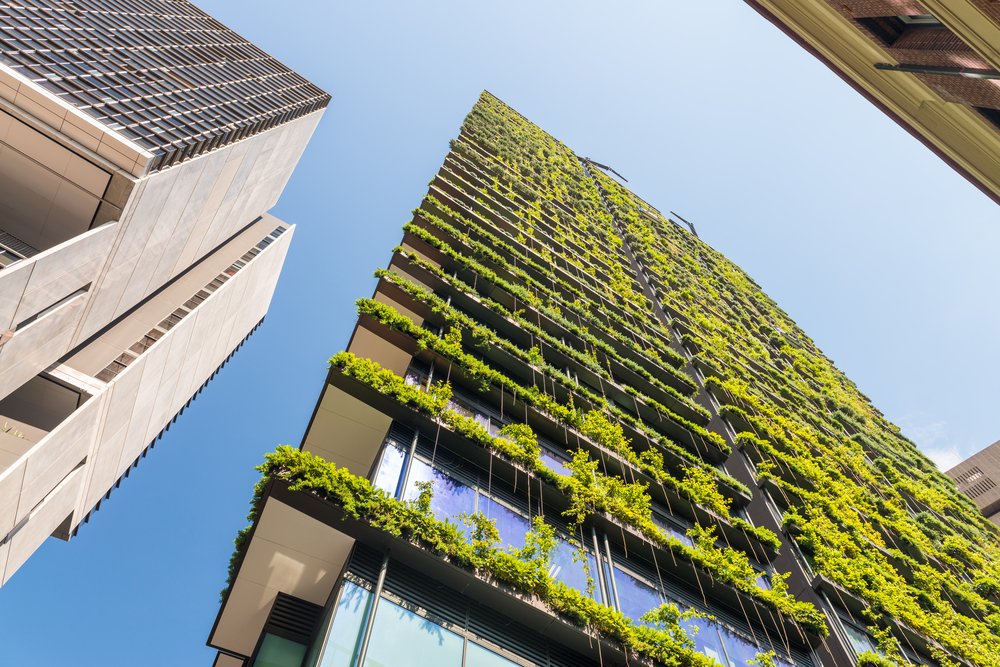
The construction industry is one of the world’s greatest contributors to air, water and noise pollution. It makes up about 40 per cent of global carbon emissions primarily due to poor energy efficiency, suboptimal air quality and carbon-dense building materials.
Here is how new building codes in Australia and worldwide can help construction projects reach net zero emissions.
Australia’s net-zero roadmap
Australia’s latest efforts to reduce carbon emissions have culminated with the Green Building Council of Australia’s new Carbon Positive Roadmap for the built environment. The roadmap’s main goal is to reach net zero emissions by 2050. By 2030, Australia hopes to get parts of the country running on 50 per cent renewable energy, some on 100 per cent. Additionally, each new precinct design must be climate positive by the same year.
The GBCA Roadmap also recommends that architects and builders utilise low-energy-intensive or net zero products and services, including electric vehicles and automated appliances. Upgrading items like refrigerators, dishwashers and washing machines with Green Star-certified machines can significantly improve a building’s energy efficiency.
While the building’s operations are undeniably important for reaching net zero, construction materials can have the greatest impact. According to the New Buildings Institute, embodied carbon in construction materials alone makes up 11 per cent of emissions around the world.
Concrete is the most heavily used material, so it should be first priority. Fly ash concrete is an emerging alternative that improves the mixture’s strength and flexibility and requires less cement to make. Hollow core slabs can also replace traditional concrete slabs. They absorb less CO2 during development and have excellent thermal properties, which help with the heating and cooling of buildings.
Steel and lumber are other crucial materials that need improvement. Reusing recycled steel from scraps can slice a construction project’s emissions in half because its production relies primarily on electricity. Sustainably grown wood and cross-laminated timber are more airtight and have stronger weight-to-strength ratios than wood manufactured through traditional methods.
Insulation has many new eco-friendly options, including denim, wool, cellulose, bamboo and cork. The market for structural insulated panels containing these materials is quickly growing and could reach $260 billion in value by 2030.
These natural materials not only improve the building’s heat or cool air retention, but they also improve air quality. Air pollutants are two to five times more concentrated indoors than outside, largely due to volatile organic compounds in artificial products. The transition to sustainable materials reduces carbon emissions and improves the building’s quality of life.
Reach codes in the U.S. and Canada
Countries worldwide have also been busy creating their own advanced building codes, also known as ‘reach codes’ or ‘dress codes’. They allow progressive districts to advance their climate goals without forcing more conservative areas to comply. The United States has been the global leader in implementing reach codes, including these states:
- Colorado: This state is determined to achieve net zero emissions by 2031. As part of its new Energy Conservation Codes, buildings over 500,000 square feet (approximately 46,000 square metres) have to use energy modeling and meet stricter emissions standards than other projects.
- Washington: Seattle — Washington’s largest city — has set a high bar for the rest of the state with its new Energy Codes implemented in 2018. The codes emphasise using low-energy-use appliances in new and renovated buildings.
- California: California’s comprehensive Reach Code Program includes advanced requirements for electricity, renewable energy, water conservation and process loads.
Meanwhile, Toronto, Vancouver and other Canadian cities require buildings to comply with three different performance-based energy codes:
- Total Energy Use Intensity: overall annual energy use in kwH per unit of floor area
- Thermal Energy Demand Intensity: yearly space heating energy expenditure
- Greenhouse Gas Intensity: annual carbon emissions
Toronto in particular has taken a considerable step forward in reducing carbon emissions. Its latest version of the Toronto Green Standard (TGS) will come into effect in 2030. The previous version required a 20 per cent emissions reduction in exchange for refunding development costs. The next version aims to eliminate one metric tonne of greenhouse gas emissions, which is the equivalent of removing 300,000 cars. The TGS also includes prescriptive requirements for solar energy readiness, air tightness, sub-metering and many other factors that can impact a building’s emissions.
Building a greener future
Efforts in Australia, the United States and Canada to reduce emissions from the construction industry will play a massive role in building a greener future. They will incentivise people to responsibly source, develop and operate properties with the environment in mind. Legislation alone will not solve the problem, but it us a great sign of changing attitudes about the climate crisis.


