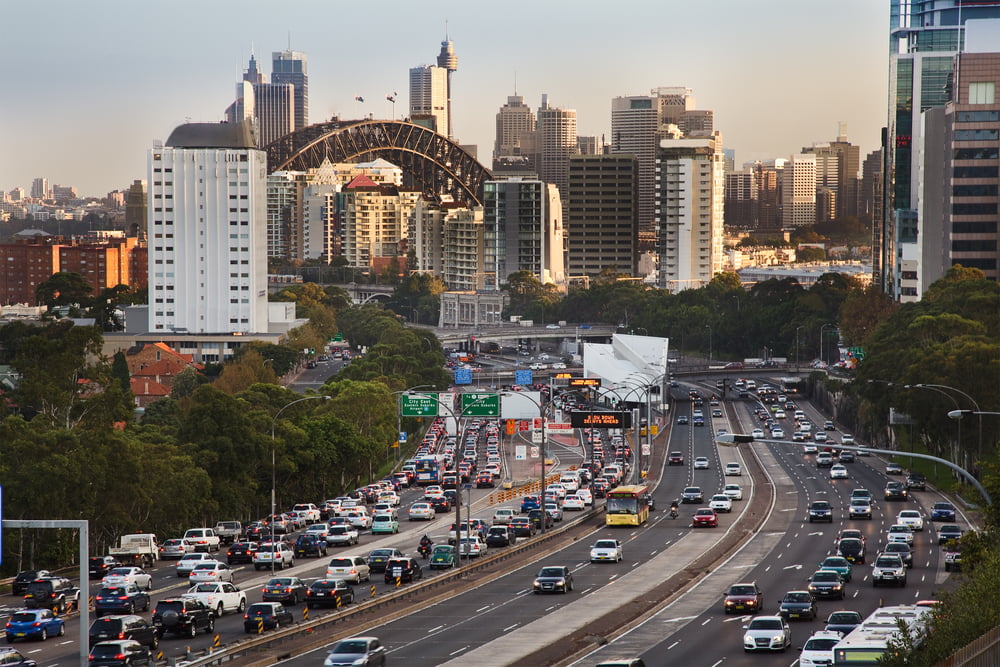
More than half of Australian households own two or more motor vehicles, while only 7 per cent own none – we are, without a doubt, a car country.
However, while countless advertisements celebrate the freedom cars provide, University of South Australia urban planning researcher, Hulya Gilbert, says there are growing reasons to question the cost of that freedom, and even challenge whether it is freedom at all.
“There’s obviously the environmental impacts, and the health and fitness consequences of using cars, but there’s also a huge social impact,” Gilbert says.
“Despite the common view across the world that cars provide freedom and flexibility, increasingly we’re seeing the priority given to cars is infringing people’s ability – and right – to get around without one.
“That’s especially true of children, and the more we build our cities around cars, the more we rob kids and teenagers of opportunities to enjoy some independence and develop self-reliance.”
Gilbert’s research shows the assumption that most people travel by car dominates current transport discussions, which, in turn, has dictated the design and location of key places in children’s lives, such as schools and sporting clubs.
Once our cities are built that way, she says, it’s hard to move outside the plan.
“It’s not enough just to say, ‘kids need to walk to school more’,” Gilbert says. “In many situations, we have planned that possibility out of cities, and now it’s just not safe or practical for children to ride or walk to the places they need to go – so much so, that there are now perceptions that parents who do let their kids ride or walk are being negligent.”
Gilbert says a change in priorities by urban planners is needed to reverse this trend, and despite a growing interest in alternatives to the private car across the world, her research suggests we’re unlikely to see large scale shifts in travel behaviour unless we make the required changes to infrastructure first.
“That involves building and maintaining safe walking and cycling paths and associated infrastructure including green spaces, trees and pedestrian crossings, and reducing speed limits and traffic flow around those areas to ensure they’re safe.
“It also means ensuring public transport is connected to those active transport networks, and that key locations, such as schools and sports clubs, are located so they’re accessible by those modes.”
Developing these networks will not only benefit children and teenagers, Gilbert says, but also help other social groups currently disadvantaged by being unable to drive, including the elderly, vision impaired and lower income earners.
“At the moment, our cities and societies are set up based on the idea that having a licence and owning a car is the norm, and we often consider the lack of car ownership as a disadvantage. Our right to move around our cities without a car is not commonly considered.
“Now, even though it’s the case that most people have access to a car and travel by car in cities such as Adelaide, planning and thinking as if they don’t would open up many possibilities and opportunities which would accelerate progress towards less private car usage and the associated, wide-ranging benefits,” Gilbert says