









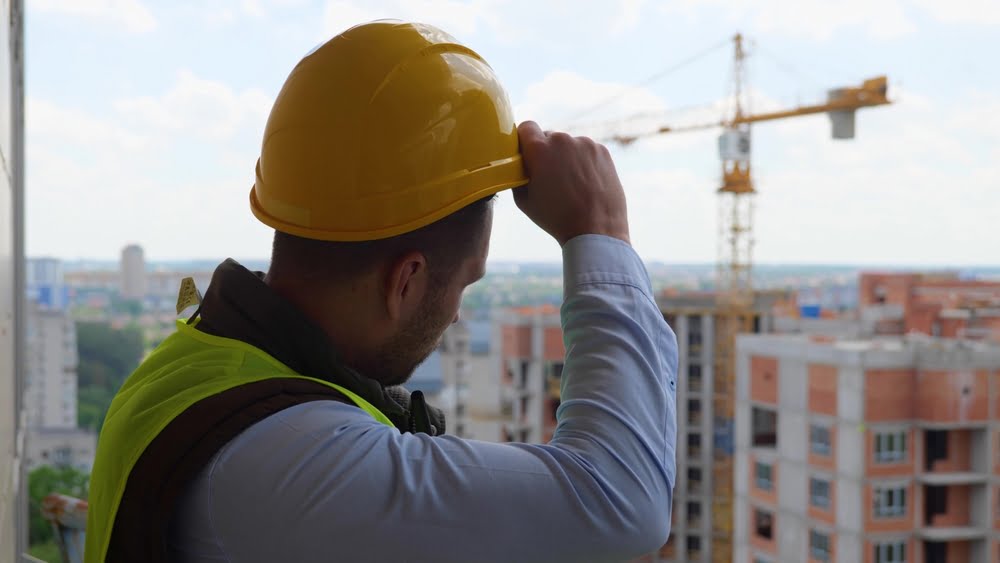
The construction wearables market has been growing steadily as the construction industry recognises the potential of wearable technologies in improving safety, productivity, and efficiency. These wearables help reduce accidents, enhance communication and collaboration, streamline workflows, and provide valuable data for analysis and decision-making.
Factors driving the market growth include increasing safety regulations, rising demand for worker safety and comfort, advancements in sensor technology, and the need for better productivity and efficiency in construction operations. Additionally, the integration of wearables with other technologies like artificial intelligence, Internet of Things (IoT), and cloud computing further expands the possibilities and benefits of construction wearables.
As per the report published by The Brainy Insights, the global construction wearables market is expected to grow from US$4 billion in 2022 to US$9.46 billion by 2032, at a CAGR of 9 per cent during the forecast period 2023-2032. The North American region emerged as the most prominent global construction wearables market, with a 38 per cent market revenue share in 2022.
The region’s high standards of worker safety and security rules, combined with stringent implementation, will contribute to the regional market’s growth. The increasing housing demands by the affluent population of the region will further augment the construction industry’s growth.
The high per capita income of the region contributed to the rising demand for real estate, which is catered to by the large number of property developers headquartered in the regional market. The rising fiscal expenditure on infrastructure to revive the pandemic-battered economy, increase employment opportunities and improve the income levels of the citizens will also augment the regional market’s growth.
Leading companies in the industry, including Behr Tech, Eleksen, GuardHat, Intellinium, Kenzen, Modjoul, Qoowear, Reactec, RealWear, and Retenua, among others, are offering more significant opportunities and are continuously focused on new product developments and venture capital investments to obtain market share.
The product type segment is divided into watch, helmet, body vest, boot, AR glasses, exoskeleton and others.
The helmet segment dominated the market with a market share of around 40 per cent in 2022. Helmets are the most used construction wearable in the workplace, given their significant role in protecting the head. The application is divided into residential, industrial, commercial, infrastructural and others.
The commercial segment dominated the market with a market share of around 46 per cent in 2022. Offices, factories, hospitals, and shopping malls are all examples of commercial construction. Commercial real estate is significant in economic development as a robust network of well-connected office spaces, community centres, malls, parks, and gardens facilitate economic growth. They attract investment, aid in job creation, and improve income levels, facilitating demand consumption and economic growth.
The increasing infrastructural investments for developing commercial spaces by private and public players to attract FDI, provide employment and increase income levels will propel the segment’s growth in the global construction wearables market.
The world has evolved to incorporate and uphold the basic human rights of all its citizens, including workplace safety. Construction is one of the highest employment generation sectors globally. It is also one of the top hazardous industries where occupational safety is at its lowest.
According to the International Labour Organization, there are around 60 thousand preventable fatal accidents at construction sites annually. The majority of accidents are caused by falls. Smart construction wearables embedded with sensors can assess the user’s surroundings and vitals, thereby enabling it to send signals when there are undesired health vitals or an increased risk of falls.
The consistent efforts of labour unions, rights activists and civil society organisations have evolved labour safety or workplace safety laws, making them comprehensive and robust. Governments are also improving the implementation of these laws and mandating the use of the highest safety gear and work standards in the construction sector. These measures will propel the global construction wearables market’s growth in the forecast period.
 Avinash Dhanwani is a market research analyst with over 15 years of experience. He specialises in using data to uncover insights about market behaviour and to inform business decisions. Avinash is an expert in leveraging multiple data sources to gain a deeper understanding of global needs and wants. He is passionate about using market research to help businesses understand the world economy and develop strategies for success.


