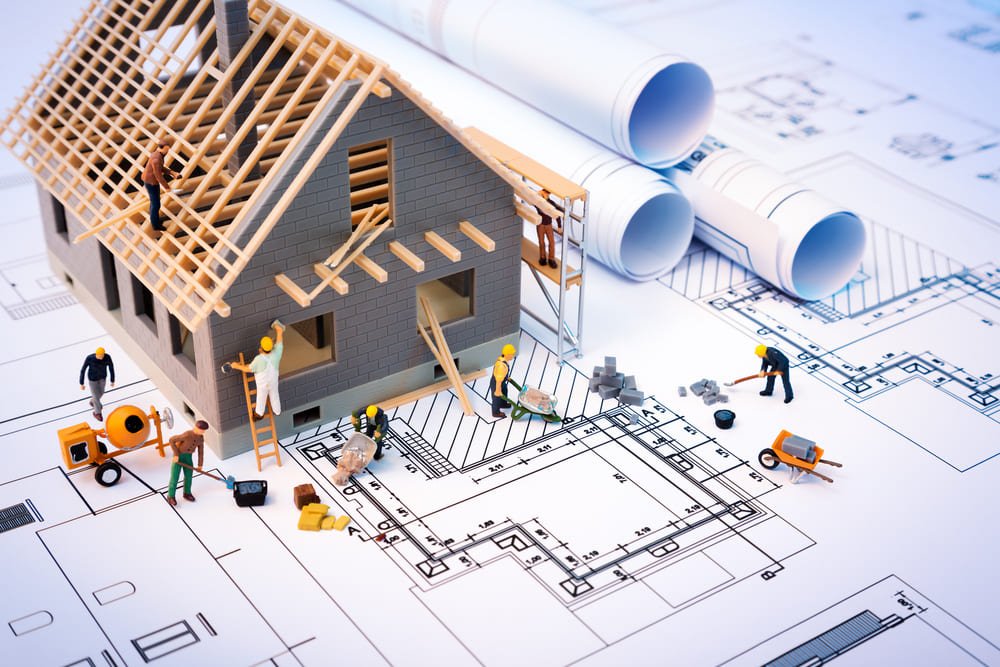

In construction and architecture, traditional investment has always focused on cost efficiency, meeting deadlines and maintaining high-quality standards. Yet, investing in innovation has become paramount as the industry faces new global challenges and opportunities.
Innovations in construction offer benefits and are essential for the industry’s evolution, ensuring projects meet modern demands for sustainability and efficiency. Embracing innovative practices is necessary for construction and architecture to thrive.
The Need for Innovation in Construction
As client needs evolve and environmental standards tighten, the construction sector — responsible for creating nearly $2.1 trillion worth of structures annually — faces a pressing need for innovation. The demand for sustainable, energy-efficient buildings that minimise environmental impact necessitates green building techniques and materials.
This shift towards sustainability aligns with global goals, driving the industry toward adopting innovative solutions that meet these evolving requirements while ensuring projects are impactful and compliant. Innovation can also tackle construction’s efficiency and productivity challenges. Traditional methods often lead to delays and budget overruns.
By leveraging new technologies — like building information modelling (BIM) and modular construction — the sector can improve planning, reduce waste and accelerate completion times. These innovations enhance productivity and contribute to significant cost savings, marking a pivotal step toward a more efficient and sustainable construction sector.
The Role of Technology
In the construction industry, technologies like BIM, drones and 3D printing are revolutionising how construction teams plan, execute, and manage projects. BIM, in particular, allows workers to plan projects with unprecedented precision, facilitating a deeper understanding of the project before construction even begins. This accuracy in planning helps minimise waste and optimise material usage, leading to significant cost savings.
Similarly, drones and 3D printing offer innovative solutions for surveying and creating complex components, enhancing the efficiency and flexibility of construction processes. These technologies collectively contribute to improved project planning, execution and risk management. By enabling more accurate simulations and real-time monitoring, they help identify potential issues early in the project lifecycle, allowing proactive adjustments.
The ability to anticipate and mitigate risks before they escalate saves time and reduces costs associated with delays and last-minute changes. Over time, adopting such innovative practices can lead to substantial cost savings, proving investment in technology is beneficial for project outcomes and a strategic move for financial efficiency.
Overcoming Barriers to Innovation
Within the construction sector, resistance to change and a gap in digital skills pose significant barriers to embracing innovation. Many professionals are accustomed to traditional methods and may be hesitant to adopt new technologies, fearing the potential for disruption and the learning curve associated with these tools.
Additionally, construction’s slow digital transformation has contributed to a skills gap, leaving a shortage of workers proficient in the latest technologies. This lack of information is especially critical when considering the environmental impact of traditional practices like concrete and cement production, which account for 8 per cent of global emissions.
A multifaceted approach is essential to overcome these challenges. Education and training programmes for crews can help bridge the digital skills gap, equipping them with the knowledge to use new technologies effectively. Partnerships between construction firms and technology providers can facilitate smoother transitions to innovative practices, offering support and resources to ease adoption.
Additionally, adopting an incremental innovation approach — where leaders introduce new technologies gradually — can help mitigate resistance by allowing workers to adjust at a manageable pace. These strategies can address the barriers to innovation and contribute to reducing the industry’s environmental footprint, paving the way for a more sustainable and efficient future.
The Future of Construction and Architecture
Innovation can significantly reshape the future of the construction and architecture industries, with technological advancements driving efficiency, sustainability and creativity to new heights. This highlights the critical need for ongoing investment in innovation to stay competitive and address the evolving needs of society. By continuously exploring and integrating cutting-edge technologies, the construction and architecture sectors can expect to enhance operational efficiencies, reduce ecological impacts, and deliver projects more aligned with communities’ future aspirations and requirements worldwide.
Investing in Innovation for a Sustainable Future
Stakeholders in the construction and architecture industries are at a pivotal moment where prioritising and investing in innovation is crucial for long-term success. Embracing new technologies and innovative practises meets the evolving demands of society and helps brands stay ahead in a competitive market. By investing in innovation today, stakeholders can ensure their projects are more efficient, sustainable and capable of shaping the future of the built environment.