
Construction site operations are moving away from traditional waste-heavy practices and toward circular resource management strategies centered on reuse and material recovery. Contractors now recycle equipment components and extend machinery lifespans to reduce disposal expenses and decrease emissions linked to manufacturing and transportation.
As sustainability requirements and supply chain pressures affect the industry, construction has become a major contributor to industrial circular economy adoption. Data-driven asset management systems also improve resource efficiency across large-scale infrastructure and commercial projects.
Why the traditional construction waste model no longer works
Rising landfill fees and stricter environmental regulations pressure contractors to rethink traditional disposal practices. The Environmental Protection Agency reported that the US generated 600 million tonnes of construction and demolition debris in 2018. This number highlights the massive scale of waste tied to conventional building operations. At the same time, long lead times and supply shortages for heavy equipment components make replacement strategies more expensive and less predictable.
Carbon reduction targets influence procurement decisions and project planning, pushing firms to prioritise resource recovery and equipment refurbishment. These pressures encourage contractors to view discarded equipment and materials as recoverable assets instead of waste streams. Circular construction strategies also reduce exposure to volatile raw material markets and disposal costs.
How circular economy principles impact construction
Circular economy strategies within large-scale construction operations focus on keeping equipment and building materials in productive use for as long as possible through reuse and refurbishment. Unlike standard recycling programs that primarily process waste after disposal, circular construction practices emphasise remanufacturing machinery and recovering high-value materials before they enter the waste stream.
Contractors increasingly integrate circularity into fleet management by tracking asset condition and improving material recovery across the construction site. Procurement teams also prioritise durable materials and suppliers that support closed-loop recovery programs to strengthen long-term operational efficiency.
Salvaging and refurbishing heavy equipment components
Contractors recover high-value components such as hydraulic systems, transmissions and electronic modules to reduce disposal costs and extend equipment usability. Machinery lifespans can increase through predictive diagnostics and remanufacturing strategies that identify wear patterns before major failures occur.
Data-driven insights enables real-time monitoring of equipment health, which helps operators detect potential failures or performance degradation to reduce downtime and avoid costly replacements. Many firms compare original equipment manufacturer (OEM)-certified rebuilding programs with third-party refurbishment services to balance warranty protection and component quality.
Repurposing construction materials on active job sites
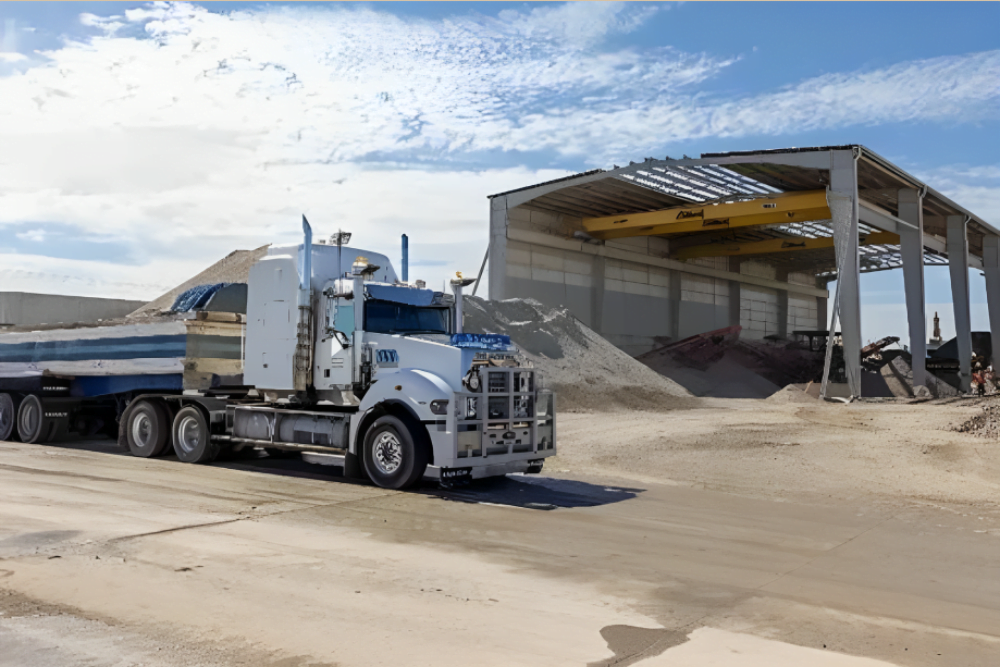
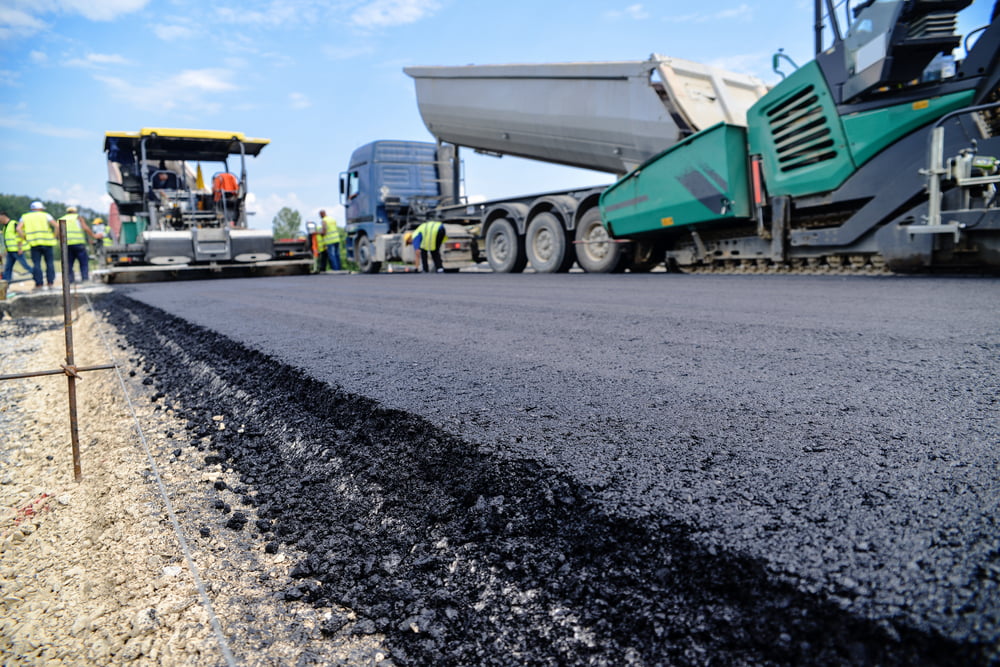
Contractors crush concrete and mill asphalt for reuse as aggregate to reduce disposal volumes and lower raw material procurement costs. Some reclaim timber and stabilised soil materials to improve resource efficiency across large-scale projects. Portable crushers and mobile recycling units are deployed directly on the construction site, which allows crews to process reusable materials without transporting waste to off-site facilities.
These localised recovery strategies reduce hauling expenses and project delays while supporting circular construction goals. Advanced material recovery systems also maintain consistent material availability during supply chain disruptions. On-site recycling operations support sustainability targets by reducing the environmental impact associated with transporting demolition debris and virgin materials.
Technology driving smarter recycling and resource recovery
Internet of Things sensors and telematics support predictive maintenance by continuously monitoring equipment performance and component wear. Using data analytics techniques in construction design can produce more detailed waste generation profiles, which minimise material waste extensively through better forecasting and resource allocation.
Artificial intelligence-powered waste sorting systems and robotics-assisted disassembly technologies further improve recovery rates by identifying reusable materials with greater speed and accuracy. Digital asset tracking platforms can strengthen decisions involving equipment repair or resale by providing detailed life cycle data and operational histories. These technologies reduce unnecessary equipment replacement while improving long-term asset utilisation.
Sustainability and emissions benefits
Recycling and remanufacturing strategies lower embodied carbon by extending equipment lifespans and reducing dependence on newly manufactured machinery. Reclaiming and reusing materials decreases demand for virgin raw material extraction across large-scale commercial projects. Copper recovered from recycled materials can save up to 85 per cent of the energy required for traditional mining and extraction.
This highlights the environmental advantages of reclaiming high-value construction and electrical materials instead of discarding them. Localised recycling operations across the construction site further reduce transportation emissions by limiting the need to haul demolition debris and replacement materials over long distances. These recovery strategies align with stricter environmental, social and governance reporting requirements and corporate sustainability targets.
Challenges slowing circular construction adoption
Quality inconsistencies in recovered materials and reused components create reliability concerns for contractors managing large-scale projects. Limited recycling infrastructure for specialised construction equipment also makes circular recovery programs difficult to implement consistently across different regions and project types.
Reclaimed materials may contain hazardous substances like lead, which can cause high blood pressure and kidney failure. Regulatory requirements and insurance concerns tied to refurbished equipment further complicate the adoption of circular construction practices.
How leading contractors embed circularity into long-term strategy
Leading contractors integrate recycling targets into enterprise sustainability programs to improve resource efficiency and reduce long-term operational waste. They can form partnerships with OEMs and remanufacturing providers to strengthen material recovery and equipment refurbishment capabilities across the construction site.
Closed-loop procurement agreements further support equipment management by creating structured systems for component reuse and responsible disposal. Coordinating the closed-loop supply chain throughout the product life cycle can also better address the challenges of economic development while supporting the sustainable development of production and consumption.
Building long-term value through circular construction practices
Construction equipment recycling is a strategic operational advantage that improves resource efficiency and strengthens long-term sustainability performance beyond the construction site. Refurbishment programs and life cycle optimisation strategies improve profitability while lowering emissions tied to manufacturing and raw material extraction. Construction leaders who treat circular economy practices as essential business strategies can build stronger operational resilience and maintain a competitive advantage in a sustainability-focused industry.