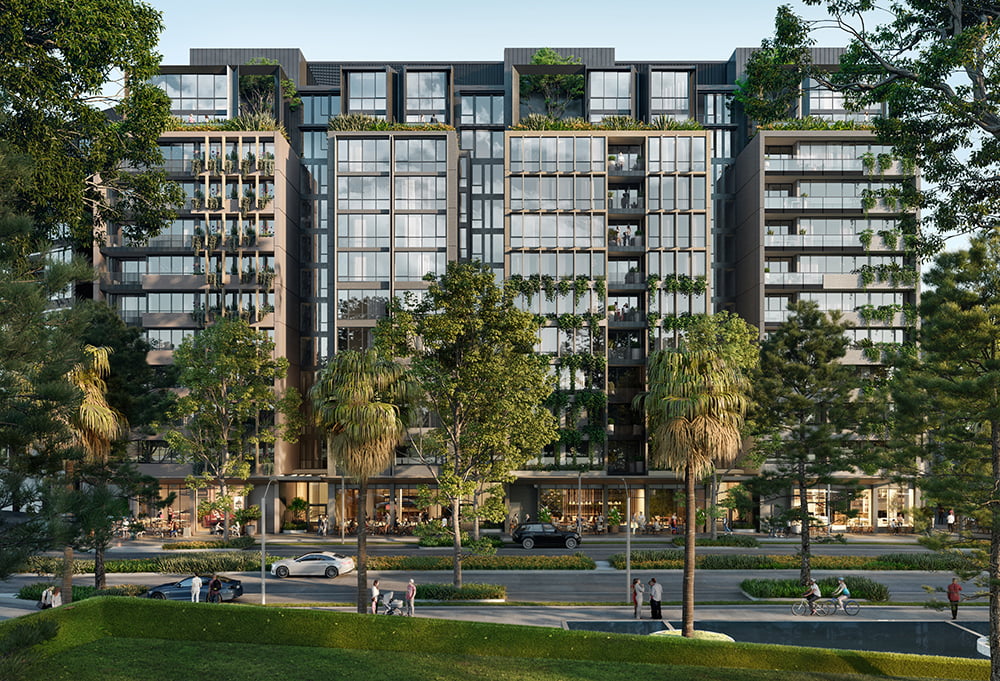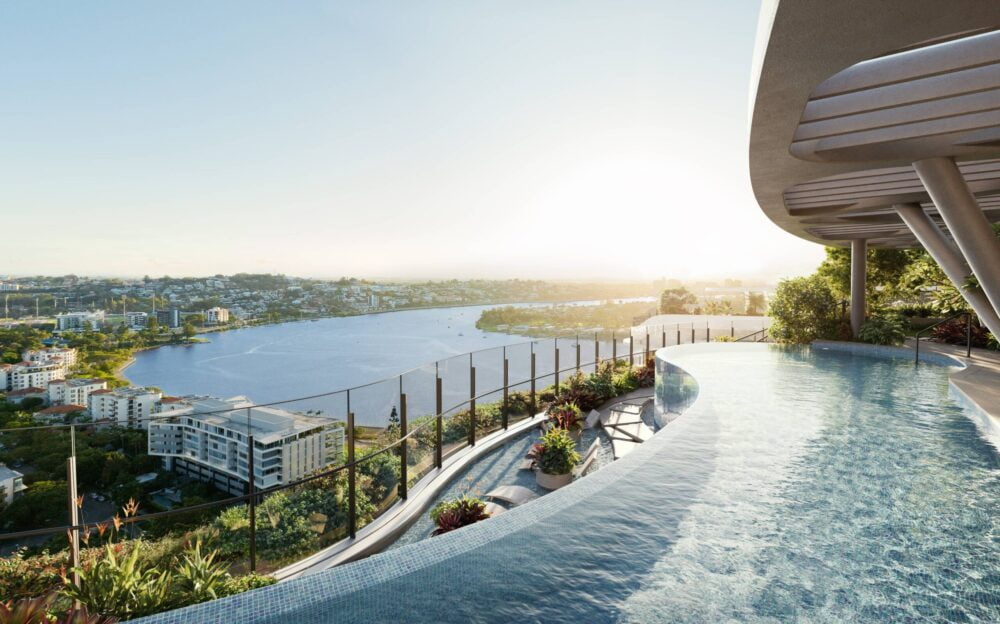

Mirvac has been selected to work with the New South Wales government and redevelop the old Sydney Fish Market site.
The 3.6-hectare site is part of the wider Blackwattle Bay urban renewal and will be transformed into a mixed-use precinct, comprising over 1,400 homes, including 589 student housing units, along with commercial and retail space and a 26,000-square-metre public domain.
Mirvac’s Group CEO Campbell Hanan, said: “Blackwattle Bay is a significant urban renewal project and represents one of the last undeveloped parcels along the Sydney Harbour foreshore.
“We are thrilled to deliver this project in partnership with Infrastructure NSW, where we will rejuvenate an iconic harbourside location.”
Blackwattle Bay is adjacent to the new Sydney Fish Market, which is scheduled to open in January 2026. Planned public space includes a central pedestrianised lane, cycleways and a community pavilion.
Mirvac said the public space projects align with its urban renewal capability.
“Mirvac has decades of experience in transforming undeveloped sites into vibrant precincts – from Walsh Bay in Sydney and Yarra’s Edge in Melbourne to Cutters Landing and Newstead in Brisbane,” said Mirvac CEO of development Stuart Penkils.
“These are the sorts of projects where our integrated model comes to life and where we can leverage our in-house design, development and construction capability to deliver much-needed housing supply, a key priority for government, and a new precinct that the whole community can enjoy.”
Mirvac will target a net-zero carbon precinct at Blackwattle Bay with a 55 per cent cut in embodied carbon.
The company will also partner with the Sydney Institute of Marine Sciences to undertake nature-based intervention to improve water quality, introduce circularity to reuse and reduce waste, and improve biodiversity on site.
Mirvac expects to deliver the project over multiple stages, with early works to start in 2027, works on the housing component in 2028 and completion expected in 2033.
First settlements on the housing component are expected in 2030.