






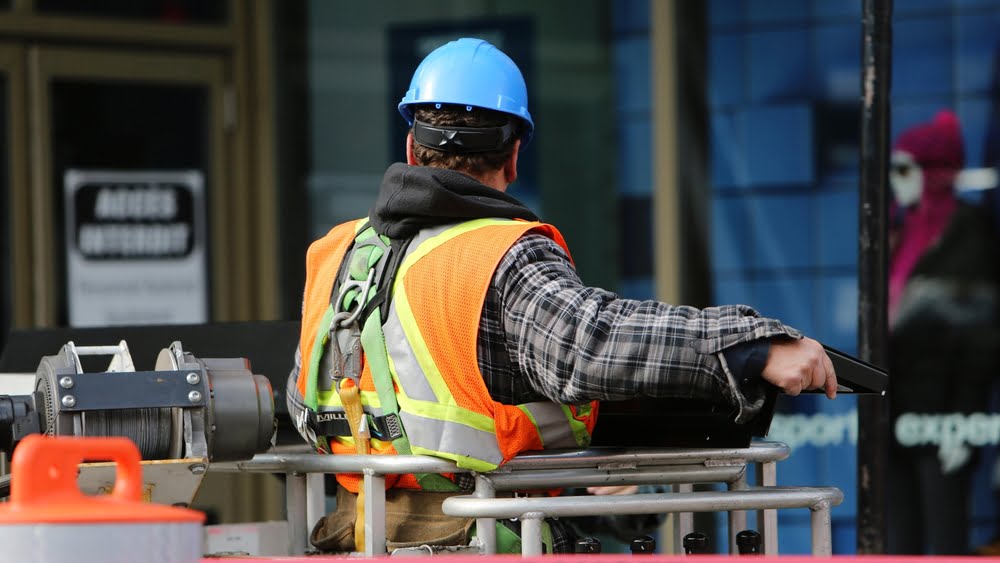
Australia has become the fourth most expensive region for construction labour globally, reaching an average of USD$75.5 per hour.
Switzerland (USD$118.1) is the most expensive followed by Austria (USD$77.7) and the USA is placed third (USD$77.1).
The International Construction Market Survey (ICMS) from global professional services consultancy Turner & Townsend ranks construction build, labour costs and cost inflation across 88 global city regions.
Even with high labour costs, Australia is proving resilient against global shocks, having been relatively successful at containing the spread of COVID-19 and the economic impact of global supply chain disruptions.
All Australian cities fall outside the top 25 most expensive to build in globally, and average construction cost inflation is predicted to fall in the country from 8 percent this year to 5.5 percent next year – the lowest forecast rate for any global area.
Ranked at 36, Perth has become the most expensive market in Australia to build with an average cost of $2,822 per sqm, followed by Sydney (42) at $2,699 per sqm, Melbourne (44) is $2,666 per sqm, Brisbane (46) sits at $2,620.7 per sqm and Adelaide (50) is priced at $2,454.4 per sqm.
Globally, US cities dominate the rankings. San Francisco has become the most expensive city in the world in which to build with an average cost of $4,729 per sqm.
The US accounts for four of the top ten most expensive markets, and nine of the top twenty.
Japan and Switzerland also feature prominently.
Tokyo ($4,665 per sqm) and Osaka ($4,559 per sqm) place second and third respectively with New York in fourth ($4,517 per sqm).
Geneva ($4,332 per sqm) and Zurich ($4,286 per sqm) sit at fifth and sixth.
Market ‘temperatures’ – which measure pressure on local supply chains based on volume of demand and tendering conditions – also reflect an industry facing tough challenges.
38.6 percent of markets surveyed were classified as ‘hot’ or ‘overheating’ – where conditions are deemed at risk of acting as a brake on development.
This is up from just 10.0 percent in 2021, while the number of ‘cold’ markets fell from six to only one.
Turner & Townsend managing director ANZ and Asia Anooj Oodit said: “All markets in Australia are expected to get warmer over the next 12 months.
“Brisbane and Perth markets are currently hot, while Sydney, Melbourne and Adelaide are warm.
“Skills shortages, construction cost inflation and long lead times are some of the biggest challenges facing Australia’s construction market.
“Residential construction is strong across the country, resulting in local supply chain constraints and bottlenecks in most markets.
“Recent wet weather events in Brisbane and Northern New South Wales have placed additional pressure on labour shortages in these states.
“Perth has become the most expensive market to build in the country.
“It is suffering from a skills and materials shortage attributed to the reduction in interstate and international skilled labour migration, which is compounded by increased demand because of the government’s multisector stimulus drive.
“This is increasing cost, time and quality pressure in the construction market with significant volatility being experienced in civil, concrete and steel prices with cost increases up by 40 percent for specialist trades.
“A heated local market is exacerbated by strain on tier 1 and tier 2 builders due to COVID-19 and other financial pressures, which has led to less competitive market conditions.
“Rising material costs are postponing some projects as recent tender returns reflect higher steel and concrete prices, challenging the feasibility of both current and projects at the design stage.
“Material shortages are also lengthening the anticipated project durations and increasing costs. Delays and allowances for temporary shortages need to be made which is a shift from pre-COVID-19 when just in time delivery to site and procurement models dominated.”