
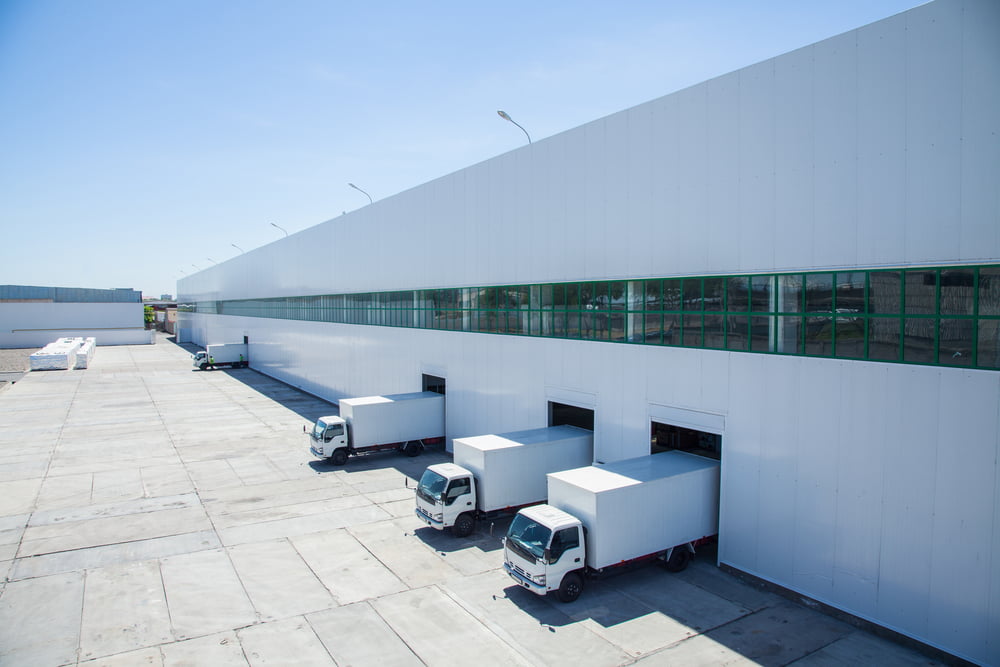
Construction is underway on the AU$55 million Ballarat Intermodal Freight Hub, a major infrastructure project set to transition more regional freight onto rail, slash emissions, and drive economic growth across western Victoria.
The new hub is a critical part of the Ballarat West Employment Zone (BWEZ). It will grant major tenants, including agribusiness CHS Broadbent and food manufacturer George Weston Foods (GWF), direct access to the broad-gauge Ballarat-Ararat rail line.
Once operational, the rail infrastructure is expected to facilitate the movement of roughly 15,000 shipping containers annually to the Port of Melbourne, with built-in capacity for future expansion.
Additionally, more than 300,000 tonnes of grain will be railed each year to GWF’s new flour processing facility, which is nearing completion.
Jointly funded by the Victorian and federal governments with equal contributions of AU$27.75 million, the project is scheduled for completion in late 2026.
The construction phase is being delivered by Taylor Rail Australia, supporting approximately 100 local jobs. The extensive works package includes laying three kilometres of new rail track and sidings, civil works, signalling upgrades, and decommissioning the Ring Road level and pedestrian crossings.
Federal Infrastructure and Transport Minister Catherine King said: “This new intermodal freight hub will future-proof BWEZ by providing road, rail and future air connectivity all in one precinct. It will be a drawcard for businesses wanting to locate here and for future investment in our city.”
Victorian Minister for Ports and Freight Melissa Horne emphasised the environmental and safety benefits of the rail link, noting that moving more freight via trains means fewer heavy trucks on regional roads, thereby lowering transport emissions and reducing infrastructure wear and tear.
The freight sector is a major economic engine for the state, contributing AU$36 billion to the Victorian economy annually and supporting 240,000 jobs.
“The Ballarat Freight Hub is creating local jobs now while building the freight infrastructure Victoria needs to grow our economy into the future,” said Victorian Premier Jacinta Allan.